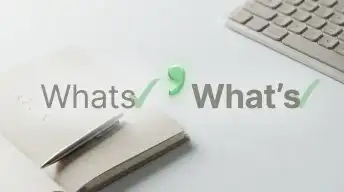
“What’s” is correct when you mean “what is” or “what has,” while “whats” is usually incorrect in standard English. This small apostrophe often causes confusion because both forms sound the same when spoken. Many people search for “whats or what’s” because they are unsure if the apostrophe is required.
In everyday writing, this mistake is common. People may leave out the apostrophe while typing quickly on phones, computers, or social media. However, standard English uses the apostrophe in “what’s” when it is a contraction.
The word “what’s” combines “what” with either “is” or “has.” For example, “What’s your name?” means “What is your name?” Similarly, “What’s happened?” can mean “What has happened?”
Understanding this difference helps you avoid a simple but noticeable writing error. if you are writing an email, article, school assignment, social media post, or professional document, knowing when to use “what’s” makes your English clearer and more accurate.
Whats or What’s : Quick Answer
“What’s” is the correct spelling when it means “what is” or “what has.”
Examples:
- What’s your name? = What is your name?
- What’s the problem? = What is the problem?
- What’s happened? = What has happened?
- What’s changed? = What has changed?
“Whats” without an apostrophe is generally incorrect when you are trying to write this contraction.
Quick Rule
Use “what’s” when you can replace it with “what is” or “what has.”
| Form | Correct? | Meaning |
| What’s | ✅ Yes | What is / What has |
| Whats | ❌ Usually no | Incorrect contraction |
Definition and Meaning of Whats or What’s
What’s: Definition
What’s is a contraction of “what is” or “what has.” The apostrophe shows that letters have been removed from the original words.
For example:
- What + is = What’s
- What + has = What’s
Simple Meaning
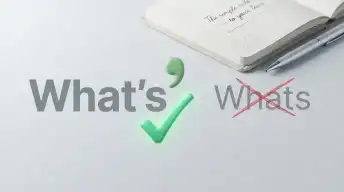
The word “what” is used to ask about a thing, fact, idea, or piece of information.
When it joins with “is” or “has,” it becomes “what’s.”
Examples:
- What’s this?
- What’s your plan?
- What’s the answer?
- What’s happened here?
Context and Usage
“What’s” is common in both spoken and written English. It can be used in questions, conversations, emails, articles, and informal communication.
For example:
What’s your favorite book?
Here, “what’s” means “what is.”
Another example is:
What’s happened to the car?
Here, “what’s” means “what has.”
Can “What’s” Mean “What Has”?
Yes. The same spelling can have two meanings.
What’s the problem?
= What is the problem?
What’s happened?
= What has happened?
The surrounding words tell you which meaning is intended.
The Origin of Whats or What’s
The difference between “whats” and “what’s” comes from the use of contractions in English.
A contraction combines two words into a shorter form. An apostrophe is used to show where letters have been removed.
For example:
what + is → what’s
The apostrophe represents the missing letters from the original expression.
English has used contractions for a very long time. Forms such as it’s, that’s, who’s, and what’s became common because they make language shorter and more natural.
The spelling “whats” without an apostrophe is usually the result of informal typing or forgetting the punctuation. Modern texting and social media have made this mistake more common because people often type quickly.
The standard form, however, remains “what’s.”
Why Does the Apostrophe Matter?
The apostrophe is not decorative. It tells the reader that “what’s” is a shortened form.
Compare:
What is your name?
What’s your name?
Both sentences have the same meaning, but the second uses a contraction.
Simple Memory Tip
Remember:
What is → What’s
What has → What’s
If you can expand the word into either phrase, keep the apostrophe.
British English vs American English Spelling
There is no spelling difference between British English and American English when it comes to “what’s.”
Both varieties use “what’s” when it means “what is” or “what has.” The apostrophe is required in both forms.
| Meaning | American English | British English |
| What is | What’s | What’s |
| What has | What’s | What’s |
| Without apostrophe | Whats ❌ | Whats ❌ |
| Full form | What is / What has | What is / What has |
American English Examples
- What’s your favorite movie?
- What’s the weather like today?
- What’s your plan for the weekend?
British English Examples
- What’s your favourite film?
- What’s the weather like today?
- What’s your plan for the weekend?
Is “Whats” Ever Correct?
For normal English writing, “whats” should not replace “what’s.”
For example:
❌ Whats your name?
✅ What’s your name?
The missing apostrophe makes the first version nonstandard when the intended meaning is “what is.”
Which Spelling Should You Use?
The safest choice is simple: use “what’s” when you mean “what is” or “what has.”
For US English
Use “what’s” in:
- Emails
- Websites
- School writing
- Social media
- Everyday communication
- Business communication
Example:
What’s the next step?
For UK and Commonwealth English
The same rule applies.
What’s the best way to solve this problem?
British English does not normally change “what’s” to “whats.”
For International English
If your content is written for readers around the world, “what’s” is the standard choice.
For Formal Writing
You can use either the contraction or the full form, depending on the tone.
Less formal:
What’s the main reason for this change?
More formal:
What is the main reason for this change?
Both are grammatically correct. The full form can sound more formal, while the contraction sounds more natural and conversational.
Common Mistakes with Whats or What’s
1. Leaving Out the Apostrophe
One of the most common mistakes is writing “whats” instead of “what’s.”
❌ Whats your name?
✅ What’s your name?
2. Using “Whats” in Formal Writing
Informal typing may sometimes leave out punctuation, but this does not make the spelling standard.
❌ Whats the purpose of this report?
✅ What’s the purpose of this report?
For highly formal writing, you can also write:
✅ What is the purpose of this report?
3. Confusing “What’s” and “Whose”
These words have completely different meanings.
What’s = what is / what has
Whose = belonging to whom
Examples:
What’s your favorite color?
Whose jacket is this?
4. Using “What’s” Instead of “What”
Sometimes writers use “what’s” when only “what” is needed.
❌ What’s do you want?
✅ What do you want?
Here, “what’s” does not work because the sentence already uses “do.”
5. Confusing “What’s” and “Whats”
The easiest way to check the spelling is to expand the contraction.
What’s your name?
Replace “what’s” with “what is.”
What is your name?
The sentence still makes sense, so “what’s” is correct.
Whats or What’s in Everyday Examples
In Emails
Correct:
Hi James,
What’s the status of the project?
For a more formal email, you may write:
What is the current status of the project?
Both are correct, but the second sounds more formal.
In News Writing
News writing may use either form depending on the publication’s style.
What’s next for the company?
Or:
What is next for the company?
The contraction is grammatically correct, while the full form may create a more formal tone.
On Social Media
Contractions are very common on social media.
- What’s everyone planning for the weekend?
- What’s your favorite book?
- What’s the best option for us?
Avoid writing:
❌ Whats everyone doing tonight?
In Text Messages
Informal messages often contain missing apostrophes, but the standard spelling remains “what’s.”
Bilkul, similarity kam karne ke liye examples ko different contexts mein kar dein:
- What’s the capital of France?
- What’s your favorite color?
- What’s the price of this jacket?
In Formal Writing
Formal writing may use the full form:
What is the purpose of this research?
What is the main reason for this decision?
Using the full form can make the sentence sound more formal and deliberate.
In Everyday Speech
“What’s” is extremely common in spoken English.
For example:
- What’s the best way to solve this problem?
- What’s your opinion about the new plan?
- What’s inside the box?
- What’s the reason for the delay?
The contraction makes speech sound natural and smooth.
Comparison of Whats and What’s
| Feature | What’s | Whats |
| Apostrophe | Yes | No |
| Standard contraction | ✅ | ❌ |
| Means “what is” | ✅ | ❌ |
| Means “what has” | ✅ | ❌ |
| Used in formal writing | ✅ | ❌ |
| Used in standard English | ✅ | ❌ |
| Example | What’s your name? | Whats your name? |
Whats or What’s : Google Trends & Usage Data
The search phrase “whats or what’s” reflects a common punctuation question. People often know how the word sounds but are unsure if the apostrophe should be included when writing it.
The form “what’s” is the standard spelling when the word means “what is” or “what has.” The form “whats” may appear in searches, texts, comments, and informal online writing, but frequent use does not make it the standard spelling.
Interest in this type of question can come from different groups, including:
- English learners
- Students
- Writers
- Bloggers
- Editors
- People learning punctuation
- People checking professional writing
The confusion can occur in both American and British English because “what’s” is spelled the same in both varieties.
Search popularity can also change depending on the country, education level, and writing context. However, the main grammar rule stays the same: use “what’s” when you mean “what is” or “what has.”
Whats or What’s : Comparison Table
| Form | Meaning | Correct Standard English? | Example |
| What’s | What is | ✅ Yes | What’s your name? |
| What’s | What has | ✅ Yes | What’s happened? |
| Whats | Intended as what is/has | ❌ No | Whats your name? |
| What is | Full form | ✅ Yes | What is your name? |
| What has | Full form | ✅ Yes | What has happened? |
Quick Comparison
What’s
→ Correct contraction
→ Means what is or what has
→ Requires an apostrophe
Whats
→ Usually a punctuation error
→ Does not correctly represent the contraction
→ Avoid it in standard writing
How to Remember What’s
A simple test can help you choose the correct form.
Step 1: Expand the Word
Take the sentence:
What’s your name?
Expand “what’s.”
What is your name?
The sentence makes sense, so “what’s” is correct.
Now try:
What’s happened?
Expand it:
What has happened?
This also makes sense.
Easy Memory Rule
What is = What’s
What has = What’s
If either expansion works, use the apostrophe.
FAQs About Whats or What’s
Q1: Is “whats” or “what’s” correct?
“What’s” is correct when you mean “what is” or “what has.” “Whats” without the apostrophe is generally incorrect in standard English.
Q2: What does “what’s” mean?
“What’s” can mean either “what is” or “what has.”
For example:
What’s your name? = What is your name?
What’s happened? = What has happened?
Q3: Is “whats” a real word?
“Whats” without an apostrophe is not the standard spelling of the contraction “what’s.” In ordinary English writing, use “what’s.”
Q4: Can I use “what’s” in formal writing?
Yes. “What’s” is grammatically correct. However, in very formal writing, you may prefer “what is” or “what has.”
Q5: Is “what’s” correct in British English?
Yes. British English uses “what’s” in the same way as American English.
Q6: Why does “what’s” have an apostrophe?
The apostrophe shows that letters have been omitted when two words are combined.
What is → What’s
What has → What’s
Q7: Is “what’s” always short for “what is”?
No. It can also be short for “what has.” The meaning depends on the sentence.
What’s the answer? = What is the answer?
What’s happened? = What has happened?
Conclusion
“What’s” is the correct standard form when you mean “what is” or “what has.” The apostrophe is an important part of the contraction because it shows that letters have been removed from the original words. “Whats” without an apostrophe is usually a spelling or punctuation mistake.
This rule is the same in both American and British English. You can use “what’s” in everyday conversations, emails, websites, social media posts, and most other forms of writing. If you want a more formal tone, you can use the full forms “what is” or “what has.”
The easiest way to remember the difference is to expand “what’s.” If it can be replaced with “what is” or “what has,” the apostrophe belongs there. For example, “What’s your name?” becomes “What is your name?”, while “What’s happened?” becomes “What has happened?”
So, when choosing between “whats or what’s,” choose “what’s” for standard English writing.
Read More About !

“I’m Charlotte Vans, and I enjoy making grammar and word usage easier to understand. Through my writing, I help readers understand confusing words, improve spelling, and write with greater confidence.”






2 thoughts on “Whats or What’s: Which One Is Correct?”